Last updated
Mice slip through gaps as small as a pencil, so a couple of shop-bought traps rarely solves the problem on its own. We inspect to find where mice are entering and nesting, treat the active infestation and then proof the small entry points that let them in, the part most DIY attempts miss.

Have you ever heard a faint scratching sound in the wall and hoped it was just your imagination? Mice look small and harmless. That innocent appearance fades quickly when you realise how fast they multiply and why proper mice control is so vital.
In Surbiton, mouse problems are almost as common as rat problems, and they’re one of the most frequent jobs in our pest control across Surbiton. They follow the same local patterns.
Older terraced housing, kitchens backing onto shared walls, and cavity walls in extensions give them perfect cover. Lofts offer a safe space where mice can nest undisturbed for months.
A single female mouse can produce up to 10 litters a year.
That means a pair of house mice can turn into dozens in a single season. Treating only the mice you can see is simply half the job.
We are going to walk you through exactly how to fix this issue properly. Let’s look at why standard methods fail and what actually works.
Why shop-bought traps rarely fix a mouse problem
We get called out constantly to homes where someone has bought a pack of snap traps or plug-in ultrasonic repellents. People often catch a mouse a night for weeks and never actually make a dent in the population. The local hardware store options rarely solve the root cause.
Two major reasons explain why this happens:
- The gap is still open. Mice can squeeze through a gap of around 6mm, which is roughly the diameter of a pencil. Until that specific gap is closed with Xcluder mesh, sealant, or a heavy-duty brush strip, more mice will simply replace the ones you caught.
- The attraction is still there. Warmth, cover in cavity walls or lofts, and tiny amounts of accessible food keep them coming back. Improving kitchen hygiene and switching to sealed food storage containers helps reduce that pull. A clean kitchen will not fix a structural gap problem on its own.
Our approach relies on Integrated Pest Management, often called IPM. This strategy involves treating the current infestation, removing the food attraction, and closing the entry points permanently. Doing all of this in the same visit is much more effective than trying one tactic at a time.
The Shift Towards Professional Methods
The rules around rodenticides in the UK changed significantly in January 2026. The Campaign for Responsible Rodenticide Use (CRRU) updated their guidelines to protect wildlife like barn owls and foxes from secondary poisoning. Professional users now need approved Continuing Professional Development (CPD) points or Ofqual-regulated training to even buy these treatments.
We strictly follow these CRRU guidelines to ensure safe, targeted treatments. Shop-bought poisons simply lack the efficacy and safety profiles of professional-grade options.
What we actually do for mice control
Our process breaks the cycle of infestation through a proven four-step method. You need a permanent solution rather than a temporary fix. Here is exactly what happens during a visit:
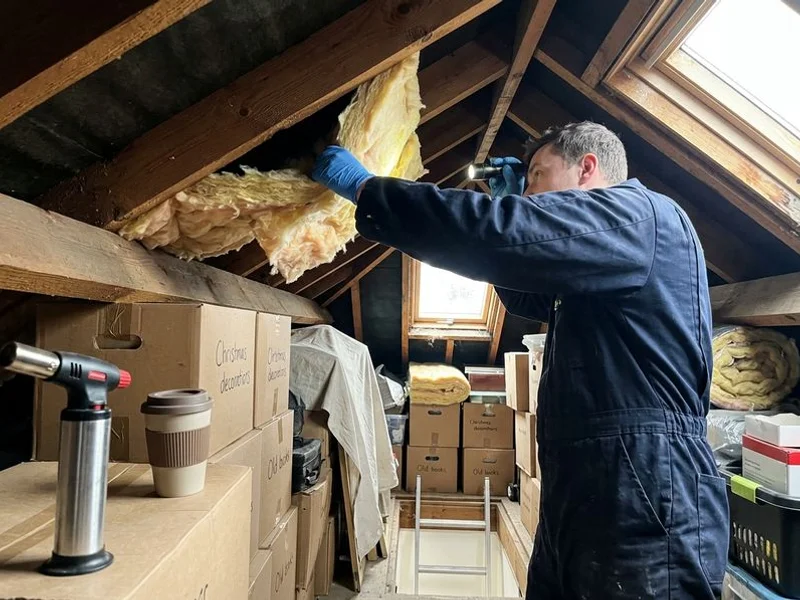
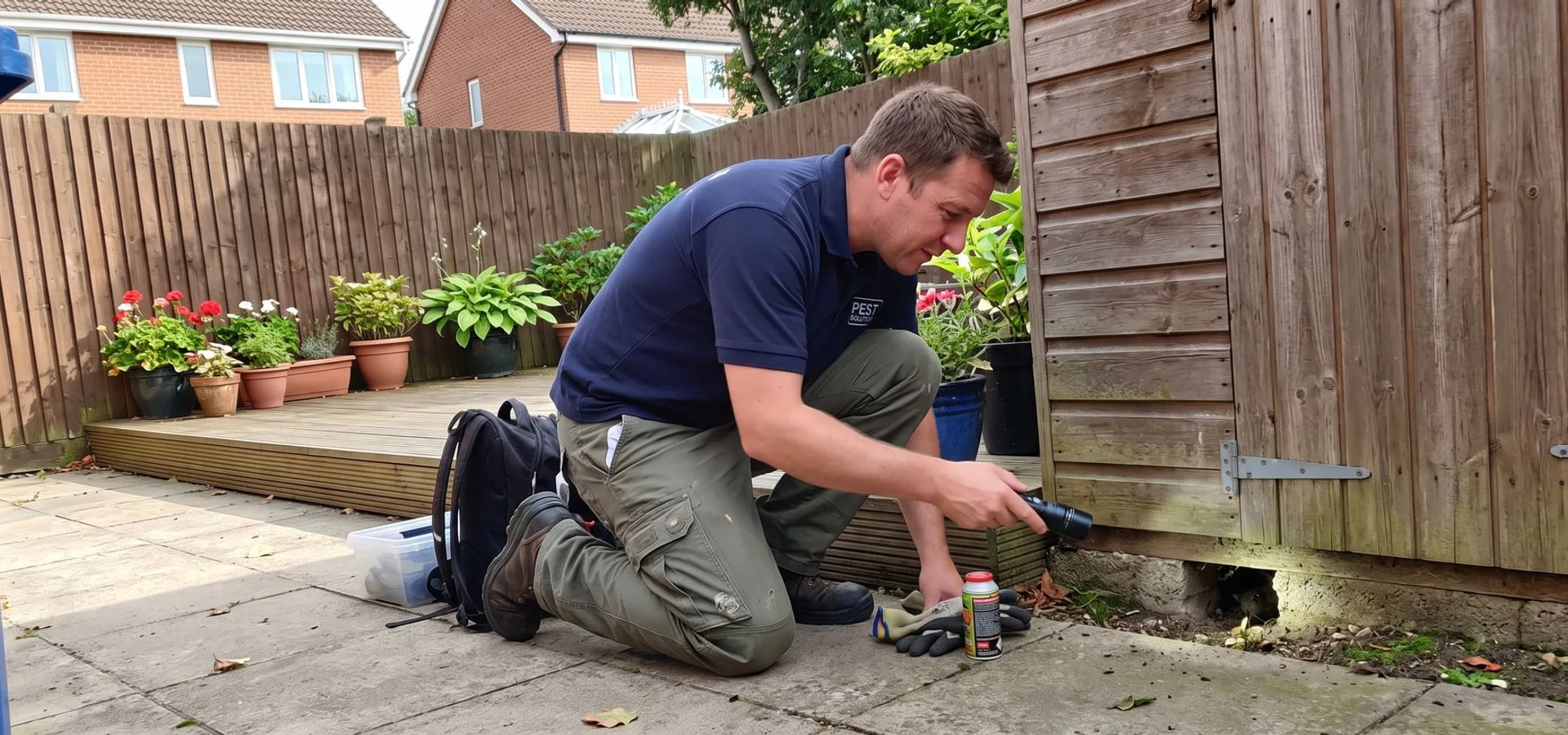
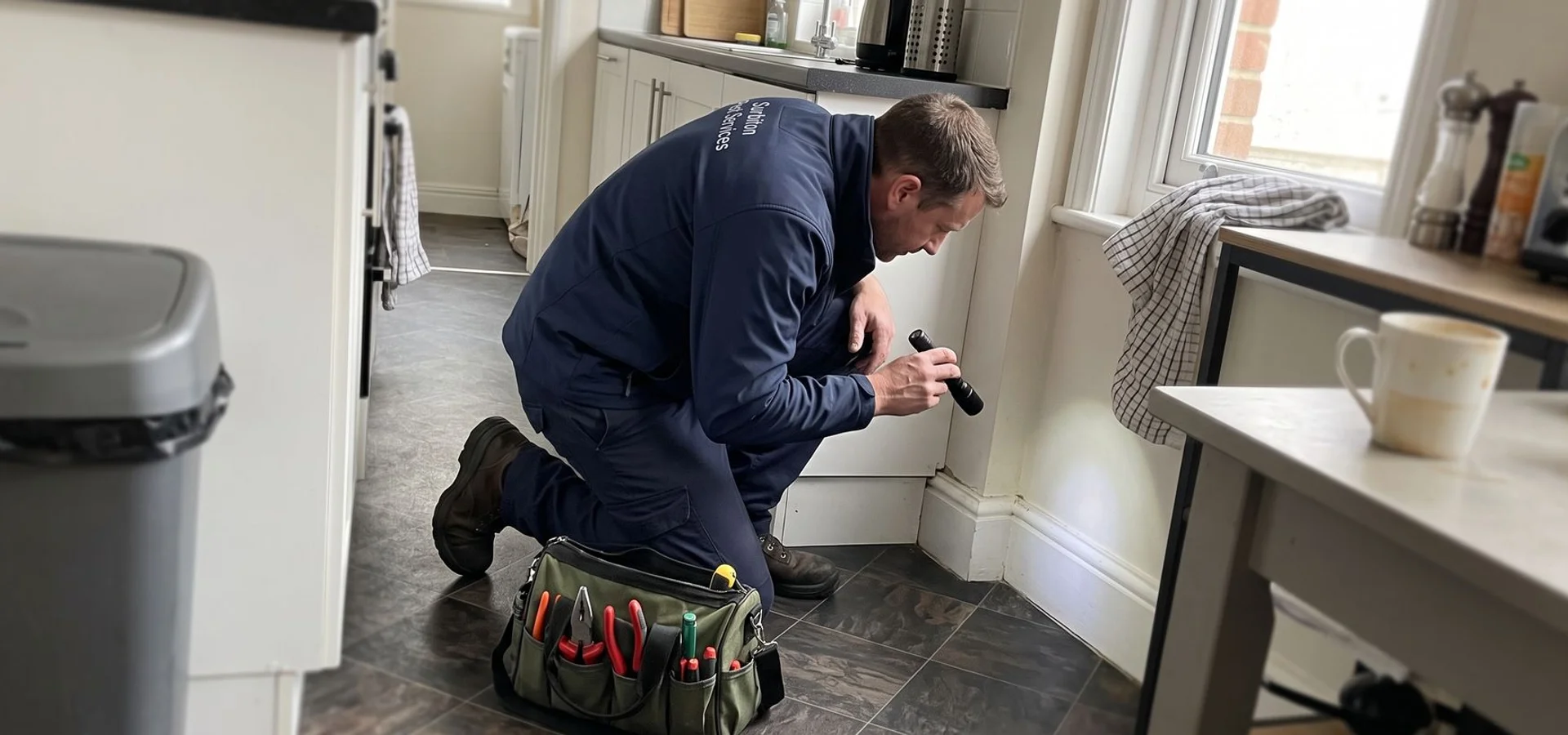
- Inspect: We check the whole property, not just where you have seen droppings. Mice range further than you might think. Finding one pile of droppings in the kitchen usually means another nest is hidden somewhere quieter.
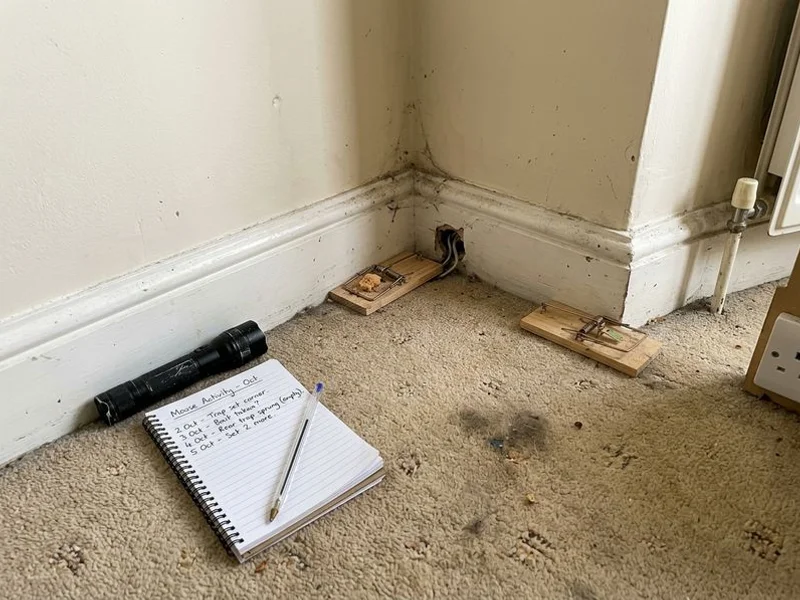
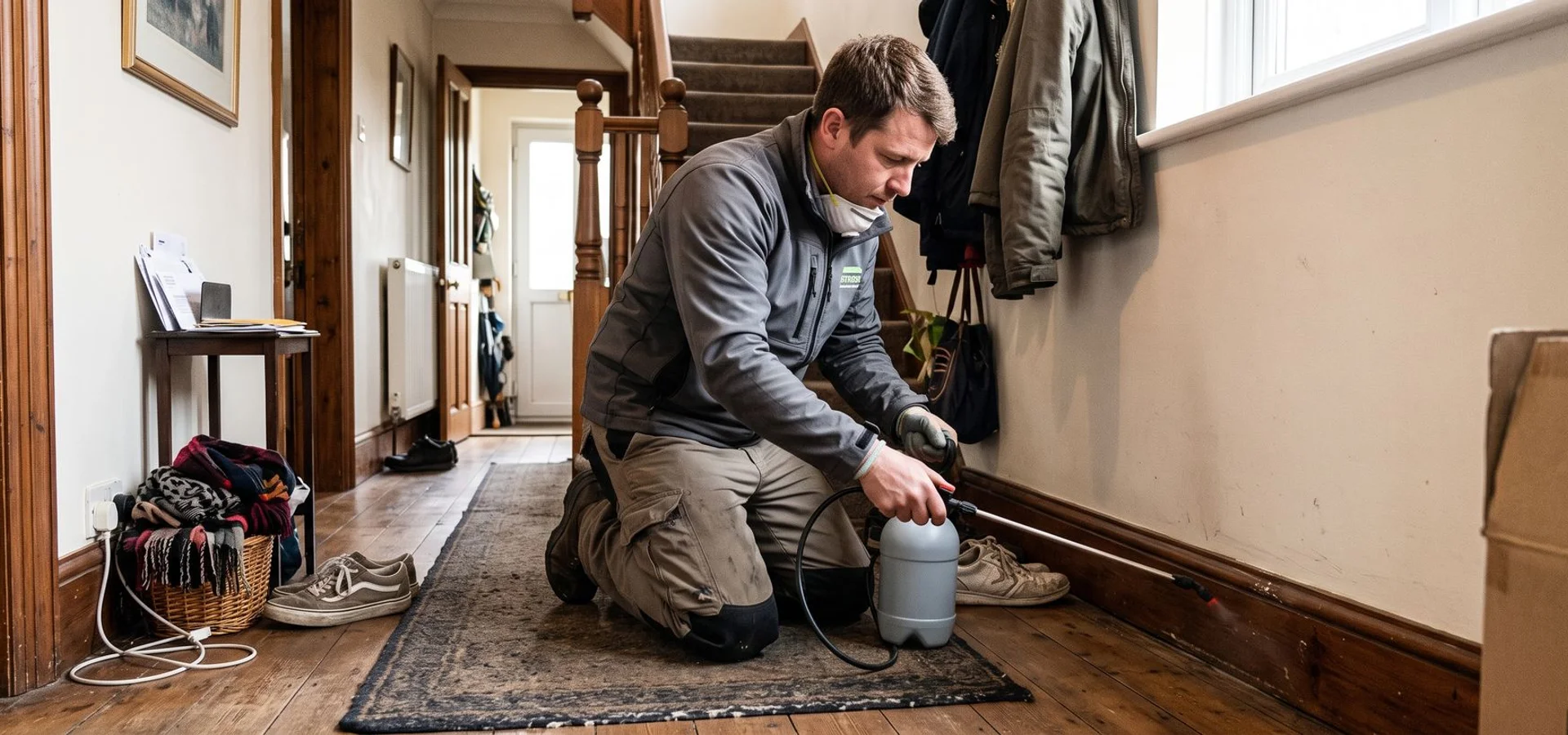
- Treat: We use snap traps, monitoring stations, and rodenticide only where it is the right tool. These go into tamper-resistant BETA bait boxes. Every step follows the 2026 CRRU responsible-use guidance to protect your family and local wildlife.
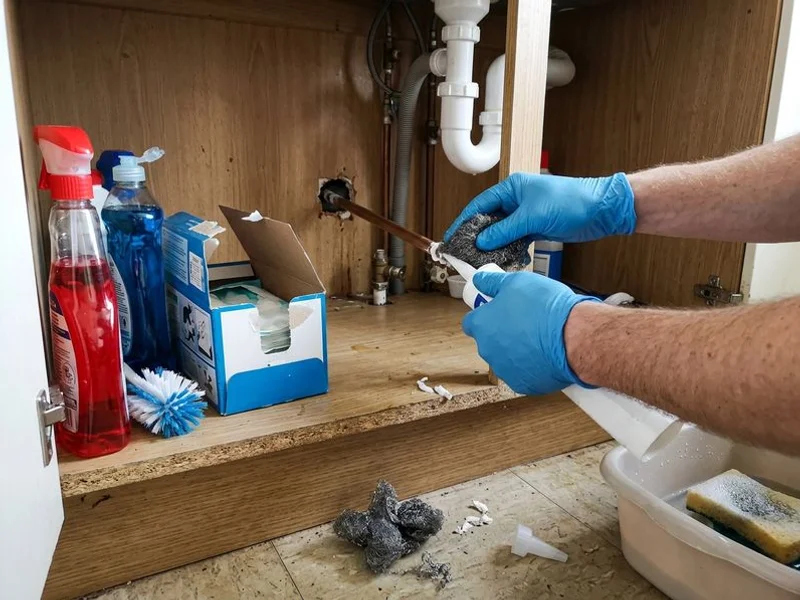
- Proof: We pack Xcluder mesh (a blend of coarse stainless steel and poly fibres) into pipe entries. Sealant goes around cable holes, brush strips fit under doors, and 6.5mm galvanised Weldmesh covers air bricks. This step is where the fix becomes permanent.
- Check back: We return to make sure nothing is coming through. You will receive a plain-English explanation of what caused the problem in the first place.
You might wonder how this compares to trying to handle it yourself. The differences in materials and methods are quite stark.
| Feature | DIY Approach | Our Professional Service |
|---|---|---|
| Proofing Materials | Standard expanding foam (easily chewed) | Xcluder mesh & 6.5mm galvanised Weldmesh |
| Bait Safety | Open trays or loose pellets | Locked, tamper-resistant BETA bait boxes |
| Treatment Focus | Catching individual visible mice | Eradicating the nest and blocking entry |
| Wildlife Protection | High risk of secondary poisoning | Strict 2026 CRRU compliance |
Homes, cafes, offices and rental properties
Mice in a home are unpleasant and stressful. A mouse sighting in a cafe, restaurant, or shop is a serious commercial risk. UK food hygiene laws are incredibly strict on this issue.
Protecting Local Businesses
Under the Food Safety Act 1990, an Environmental Health Officer (EHO) visit that finds droppings behind the fridge can shut you down instantly. They achieve this by issuing a Hygiene Emergency Prohibition Notice. Recent 2026 court cases across the UK have seen businesses hit with fines ranging from £15,000 to over £50,000 for failing to control pests.
We treat commercial premises discreetly to protect your reputation. Out-of-hours visits are easily arranged. You will receive the exact documentation that food businesses and landlords need to prove they have taken correct action.
Serving the Local Area
Our team covers Surbiton, Tolworth, Berrylands, Long Ditton, and Hook & Chessington. Spotting early signs can save you from a major infestation.
Watch out for these common warning signals:
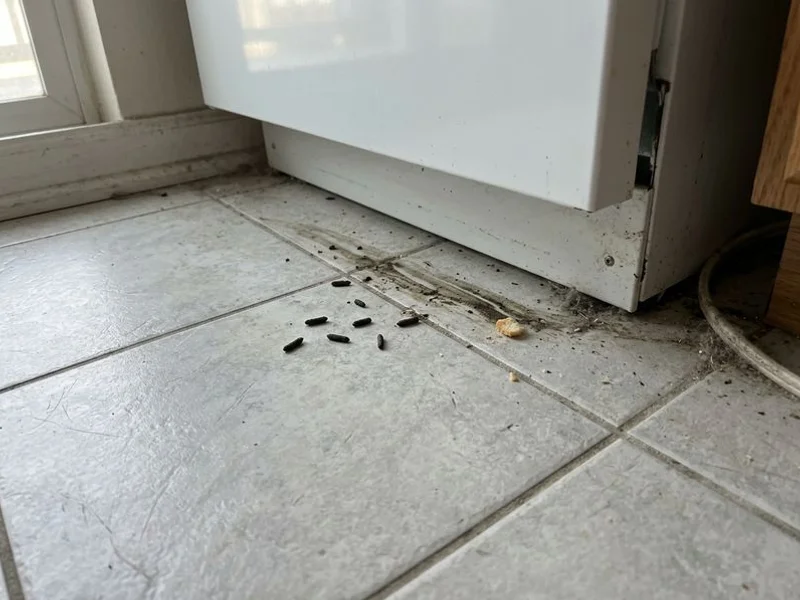
- Finding small, dark droppings in cupboards
- Hearing scratching sounds in the walls at night
- Spotting nibble marks on food packets
- Noticing a musty, ammonia-like smell in an under-stairs cupboard or loft
We are ready to come out and implement effective mice control if you experience any of these signs. Get in touch today to schedule a visit and sort it properly.