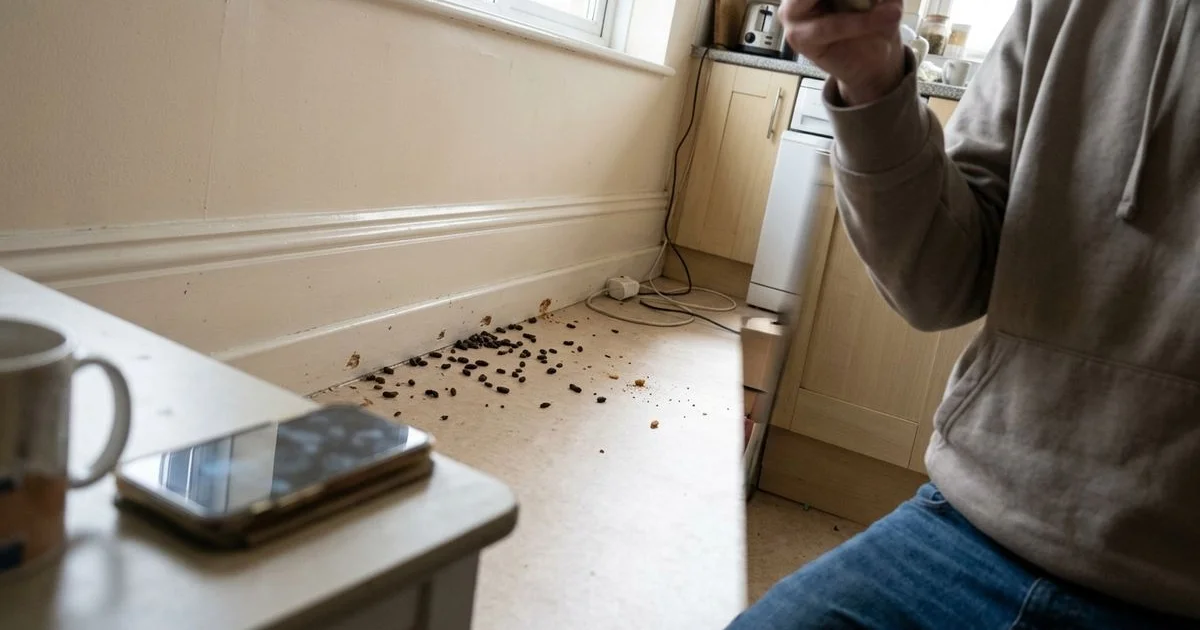
We confirm that hearing scratching or finding mysterious droppings are clear signs you need pest control.
That single mouse dropping or faint noise often gets dismissed as nothing serious by hopeful property owners. Our professional view is that ignoring these early warnings is a very risky strategy.
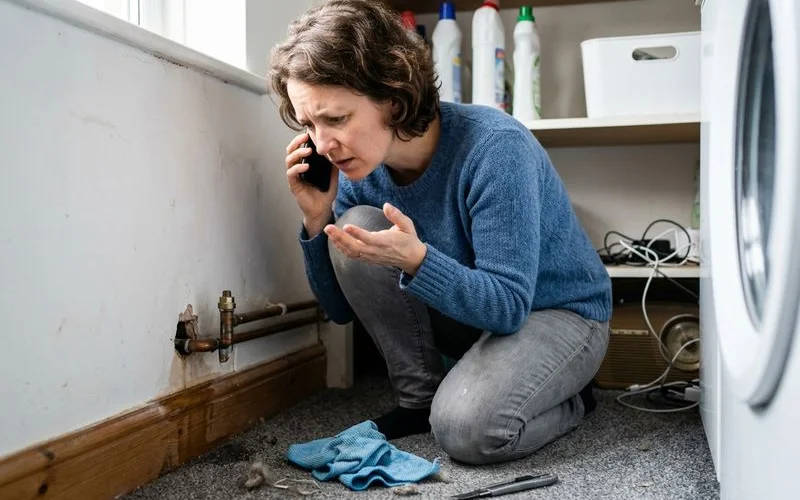
Early warning signs are the easiest and cheapest to fix before populations explode. We are going to walk you through the clear signs of an infestation.
The 2026 data from the British Pest Control Association shows pest activity is escalating rapidly, making early detection vital.
Our team will outline what specific signs require immediate action and what consequences await if you ignore them. Take a close look at these common patterns so you can act decisively.
Rodents (rats and mice)
We can confirm that spotting droppings, gnaw marks, or hearing scratching means you have an active rodent problem.
Rodents are the most common serious pest issue in Surbiton right now. Our team sees constant pressure driven by the local Thames, Hogsmill, and railway lines.
Up to 80% of urban rat infestations originate from drainage systems according to 2026 British Pest Control Association reports. We advise property owners to watch for these distinct early warnings.
- Droppings: Rat droppings are dark, sausage-shaped and about 10mm long, while mouse droppings are much smaller at 3-6mm and look like coarse black rice.
- Gnaw marks: Fresh gnaw marks on skirting, door frames, food packets, or pipe insulation indicate active feeding.
- Scratching or scurrying at night: You will frequently hear this noise in the loft, behind walls, or under floorboards as they forage.
- A stale, musty smell: Check the under-stairs cupboard, loft, or corner of a garage for this distinct odour.
- Runs and smear marks: Dark, greasy tracks along walls or beams show where rodents brush past repeatedly.
Any single one of these indicators is enough reason to book professional rat control or mice control immediately.
Our specialists point out that a mouse only needs a 6mm gap to squeeze indoors. Waiting for a second sign simply gives the population time to double behind your walls.
Insects
We identify insect problems based on the unique evidence each species leaves behind.
Asking yourself ‘do I have a pest problem’ is common, but seeing live insects, discovering shed skins, or finding unusual bite marks quickly confirms an active infestation.
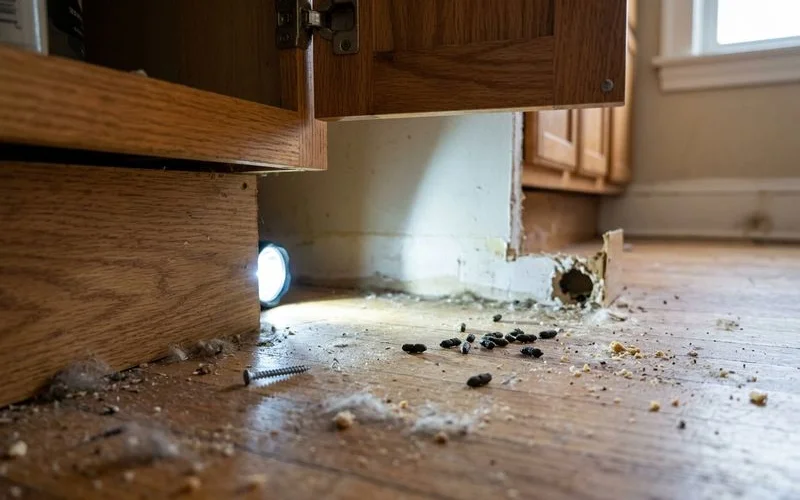
Our technicians find that ignoring these subtle clues leads to expensive and disruptive treatments later on. The signs vary dramatically depending on exactly what type of bug has moved into your space.
We use a specific checklist to diagnose common household invaders. Review the table below to match your symptoms with the most likely culprit.
| Insect Type | Key Warning Signs | Professional Insight |
|---|---|---|
| Cockroaches | Droppings like coarse pepper, musty smell, shed skins, and night sightings. | They carry harmful bacteria like salmonella and require immediate treatment. |
| Bed bugs | Small dark spots on mattress seams, blood spots, and a line of itchy bites. | Professional heat treatments for severe cases can cost upwards of £1,000 in the UK. |
| Ants | Defined trails from wall cracks directly into a sugary food source. | Treating the visible trail without destroying the hidden nest fixes absolutely nothing. |
| Fleas | Small dark specks on pet bedding and ankle bites after walking on carpet. | Eggs can lay dormant in carpets for months before suddenly hatching. |
| Silverfish & Carpet Beetles | Activity in damp bathrooms for silverfish or dark wardrobes for beetles. | This usually indicates an underlying moisture or poor ventilation issue in the home. |
Our teams always stress that correct identification is the critical first step. Using the wrong DIY spray often scatters the insects and makes the infestation harder to isolate.
Birds
We classify a bird problem as an infestation when pigeons persistently roost, nest, or foul on your property.
Bird issues in Surbiton primarily involve pigeons exploiting the urban environment for safe nesting sites. Our observations show that commercial and residential buildings alike suffer from their highly acidic droppings.
Pigeon guano damages stonework, creates severe slip hazards, and carries harmful respiratory pathogens. We look for three main indicators before recommending proofing measures.
- Repeated droppings accumulating on a specific ledge, a regular pathway, or a car parked in the exact same spot daily.
- Nesting material appearing suddenly on window ledges, tucked inside eaves, or wedged tightly under solar panels.
- Persistent pigeons landing at the exact same access points at the exact same times every single day.
These visual cues confirm that the birds have claimed your building as their permanent territory.
Our installation of professional bird netting or spikes provides a long-term deterrent against returning flocks. Cleaning up the mess costs significantly more if the guano is left to erode building materials.
The urgency indicators: clear signs you need pest control
We treat certain pest sightings as absolute emergencies rather than situations you can simply monitor.
Immediate action is required when pests pose a direct threat to human health, safety, or business operations. Our emergency response protocols trigger instantly for the following high-risk scenarios.
Delaying treatment in these specific situations usually results in severe consequences.
- Active wasp nest with visible traffic: This is highly dangerous near a doorway, garden, or business entrance, as a manageable June nest can explode to 10,000 angry wasps by August.
- Rat activity near vulnerable people: Spotting rats in a home with children, a food premises, or elderly residents requires an immediate professional response.
- Bed bug bites spreading: Bites appearing on multiple people in the household means the infestation is actively moving between rooms.
- Cockroach activity in a commercial kitchen: An Environmental Health Officer finding cockroaches can issue a Hygiene Emergency Prohibition Notice under the Food Safety Act 1990, forcing immediate closure and dropping your Food Hygiene Rating to zero.
We strongly advise calling a professional the moment any of these critical situations arise.
Trying to manage these specific threats with domestic products rarely works and extends the danger period. Our priority is to eliminate the immediate health hazard and secure the environment.
Fast intervention is the only way to protect your family or your business reputation.
Why waiting almost always makes it worse
We know from experience that pest populations grow at a geometric rate when left undisturbed.
Waiting to treat a pest issue guarantees that the problem will become more expensive and disruptive. Our data confirms that early intervention is always faster, significantly cheaper, and far less stressful.
The 2025 BPCA Future of Pest Management survey highlights that pests are developing physiological resistance to common DIY products. We see minor issues turn into major structural repairs simply because property owners waited too long.
| Pest Type | Early Intervention Facts | Cost of Waiting |
|---|---|---|
| Mice | A standard two-visit treatment averages around £180 in the UK. | A severe infestation damages wiring and insulation, costing hundreds in repairs. |
| Wasps | A single nest removal in June is quick and averages £75. | By late August, colonies hold thousands of aggressive wasps, increasing danger. |
| Cockroaches | Caught early, eradication takes just a couple of targeted visits. | Ignored for two months, it turns into a highly disruptive multi-week programme. |
These figures demonstrate why hesitating is the most expensive choice you can make.
Our team is ready to provide an honest assessment of your situation today. If you’ve spotted any of these signs, it’s worth reading what to expect from a pest inspection and treatment so you know exactly how we confirm and resolve the problem. Contact us with your concerns, and we will evaluate the signs you need pest control to help you make the right choice.