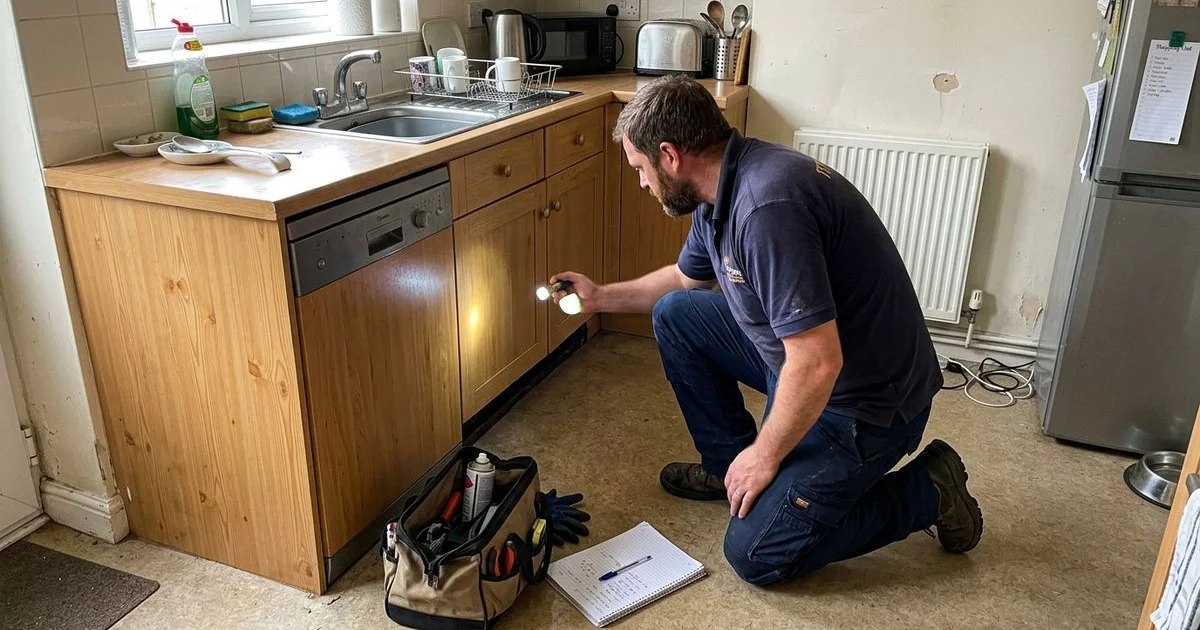
Many property owners ask us before a pest inspection what to expect regarding timelines and safety. We understand that bringing a technician into your home or business requires complete transparency.
This guide breaks down the complete pest control process for a professional visit.
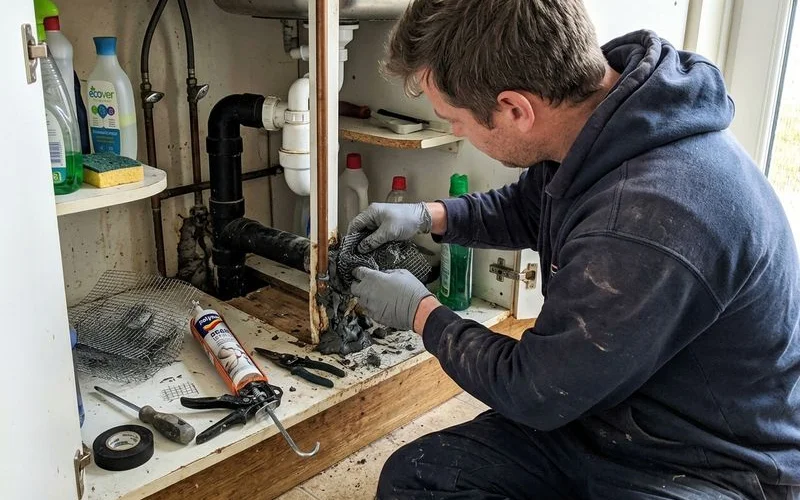
Our method stays consistent whether dealing with a wasp nest in the eaves or setting up commercial rat control for a local shop. You will learn the exact timeline and requirements from booking to the final proofing stage.
We want to remove all the guesswork for you.
1. Booking and short-notice callouts
We know that a fast response is critical when a pest issue suddenly escalates. Recent 2025 local authority data shows some UK regions experiencing up to a 325% increase in rodent callouts. Our team prioritises urgent cases to get a technician on site as quickly as possible for any pest treatment Surbiton residents require.
The booking phase requires a rapid assessment of the risks. We ask specific questions aligned with British Pest Control Association standards to determine the urgency of your call. These diagnostic questions include:
- What specific pest activity have you noticed?
- How long has the problem been occurring?
- Are there children or pets on the premises?
- Does the property involve a registered food business?
Your answers allow us to slot you into the diary effectively. We reserve same-day emergency visits for critical hazards like active wasp nests or cockroaches in commercial kitchens. A prompt dispatch prevents minor sightings from turning into major infestations.
2. The pest inspection: what to expect
Our Royal Society for Public Health (RSPH) Level 2 qualified technicians walk the entire property before touching a single trap. A thorough visual sweep is the foundation of effective pest management. We look for hidden entry points and signs of established activity rather than just treating the immediate symptoms.
Local geography plays a huge role in pest behaviour. We know that properties near the River Thames in Surbiton often suffer from rat intrusions caused by unseen drainage defects. The inspection checklist covers all the usual suspects to ensure nothing is missed:
- Air bricks and cavity vents
- Gaps around pipe entries
- Loft hatches and roof lines
- Drainage inspection chambers
The survey duration depends entirely on the target pest. We spend up to 45 minutes investigating a terraced house for rodents to map out all smear tracks and droppings. A summer wasp nest survey might take just five minutes because the flight path clearly indicates the source.
3. Clear diagnosis, in plain English
We ensure you receive a straightforward explanation of the problem without any confusing industry jargon. A clear diagnosis forms the basis of a strong working relationship. Our technicians provide an honest, evidence-based assessment of the pest activity inside your property.
Commercial clients requiring Care Quality Commission (CQC) or environmental health compliance receive a fully documented breakdown. We outline the exact species, the root cause of the attraction, and the proposed timeline for resolution. This detailed reporting keeps facility managers completely informed and legally compliant.
| Standard Practice | Our Diagnostic Approach |
|---|---|
| Vague verbal warnings | Photographic evidence of entry points |
| Pushing immediate chemical sprays | Explaining the root cause of the attraction |
| Open-ended timelines | Providing a specific resolution schedule |
Sometimes a minor issue does not actually warrant a paid professional intervention. We always advise you if a problem can be solved with basic environmental changes, like securing outdoor bins. If you’re still not sure whether what you’ve seen needs treatment at all, our guide to the signs you need pest control walks through exactly what to look for. Earning your respect is more valuable to our business than a quick, unnecessary job.
4. Treatment that resolves the problem
Our treatment strategies always follow strict Integrated Pest Management principles to ensure safety and effectiveness. The right product must be applied in the right place to achieve lasting results. We strictly adhere to all Control of Substances Hazardous to Health (COSHH) regulations during every single application.
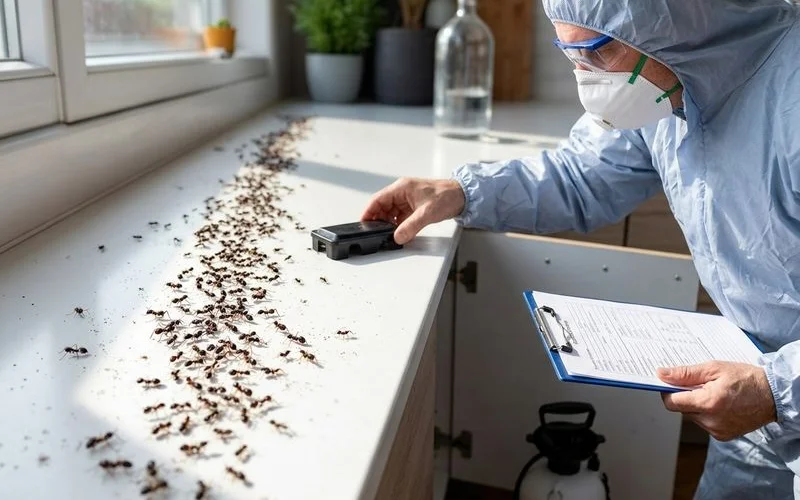
Recent legislative changes have drastically altered how professionals handle rodent infestations across the UK. We operate in full compliance with the January 2026 Campaign for Responsible Rodenticide Use (CRRU) mandates, which require mandatory proof of competence for professional rodenticide purchases. This updated legislation heavily restricts second-generation anticoagulant rodenticides (SGARs) outdoors to prevent secondary poisoning of owls and foxes.
”The 2026 CRRU guidelines demand that pest professionals prioritise environmental management and provide strict justification for any chemical interventions.”
Every method applied is carefully chosen to minimise non-target risks. We prioritise physical trapping and structural modifications before considering chemical controls. This tiered approach protects your family and pets while effectively neutralising the target species.
5. Proofing (the step DIY nearly always misses)
We consider physical proofing to be the most vital step in achieving a permanent resolution. Eradicating a current infestation means very little if new pests can simply walk right back inside. Our technicians focus on turning a temporary treatment into a lasting structural fix.
Retail caulks and expanding foams are easily chewed through by determined rodents. We secure your property using professional-grade materials that withstand persistent attacks. Effective proofing installations often include:
- Galvanised steel mesh for air bricks and vents
- Heavy-duty bristle strips for exterior doors
- Stainless steel one-way valves for drainage pipes
- Bird netting and spikes for commercial rooflines
Older drainage networks across Kingston and Surbiton are notorious for allowing subterranean rat entry. We routinely install rat blockers directly into inspection chambers to sever this hidden access route. This high standard of physical proofing easily satisfies Environmental Health Officer (EHO) audits for local restaurants.
6. Follow-up
Our commitment to your property continues after the first visit. Certain pest life cycles make it biologically impossible to guarantee eradication in a single day.
We schedule follow-up appointments based on the specific breeding habits of the target species. Rodent and cockroach treatments naturally require built-in return visits to monitor bait stations.
We return to assess bed bug jobs after 14 to 21 days to intercept any newly hatched nymphs. Single visits are usually sufficient for a straightforward summer wasp nest.
We keep communication open throughout the entire monitoring period. You can reach out immediately if you notice unexpected activity between our scheduled checks.
Please get in touch to ask questions about a pest inspection what to expect, or book an inspection.